The Rise of Edible Chocolate Bars: What You Need to Know About Cannabis-Infused Treats
There is something deeply satisfying about breaking off a piece of a well-made chocolate bar and letting it melt on your tongue. The experience becomes something else entirely when that chocolate carries more than just cocoa butter and sugar. Over the past few years, edible chocolate bars have grown from a niche curiosity into a staple of the cannabis-infused edibles market. Whether you are a longtime enthusiast or just starting to explore, understanding what makes these products work, and how to choose the right one, can make all the difference.
The Shift from Smoking to Snacking
For decades, the most common way to consume cannabis was through smoking or vaping. But as legalization spread and product development matured, many people began looking for alternatives that did not involve inhaling anything. Edibles offered a discreet, smoke-free option, and among them, chocolate quickly became a favorite. The reason is simple: chocolate masks the earthy, sometimes bitter taste of cannabis better than most other bases. A well-formulated THC chocolate bar can taste like a premium dessert while delivering a consistent, predictable effect.
This shift has been driven by a new generation of producers who treat their craft like fine pastry or confectionery. They source organic cacao, blend in hemp extract or cannabis distillate, and carefully control the terpenes that influence both flavor and effect. The result is a product that feels less like medicine and more like indulgence. For many, edible chocolate bars have become the go-to format for both recreational and medicinal use.
Understanding the Different Types of Infused Chocolate
Not all cannabis chocolates are the same. The category includes everything from CBD chocolate, which offers relaxation without a psychoactive high, to full-strength THC chocolate that can provide a strong, long-lasting experience. Some bars are made with milk chocolate, others with dark chocolate or white chocolate. Each base brings its own flavor profile and mouthfeel, and each interacts differently with the cannabis extract.
Dark chocolate is especially popular among makers of infused chocolate because its natural bitterness can help mask any residual plant taste. It also pairs well with the earthy notes of cannabis. Milk chocolate tends to be sweeter and creamier, which appeals to those who want a more dessert-like experience. White chocolate, being cocoa-butter-based without cocoa solids, offers a neutral canvas that lets fruit or mint flavorings shine. For those avoiding dairy, many brands now produce vegan chocolate bars using oat milk, almond milk, or coconut cream as the base.
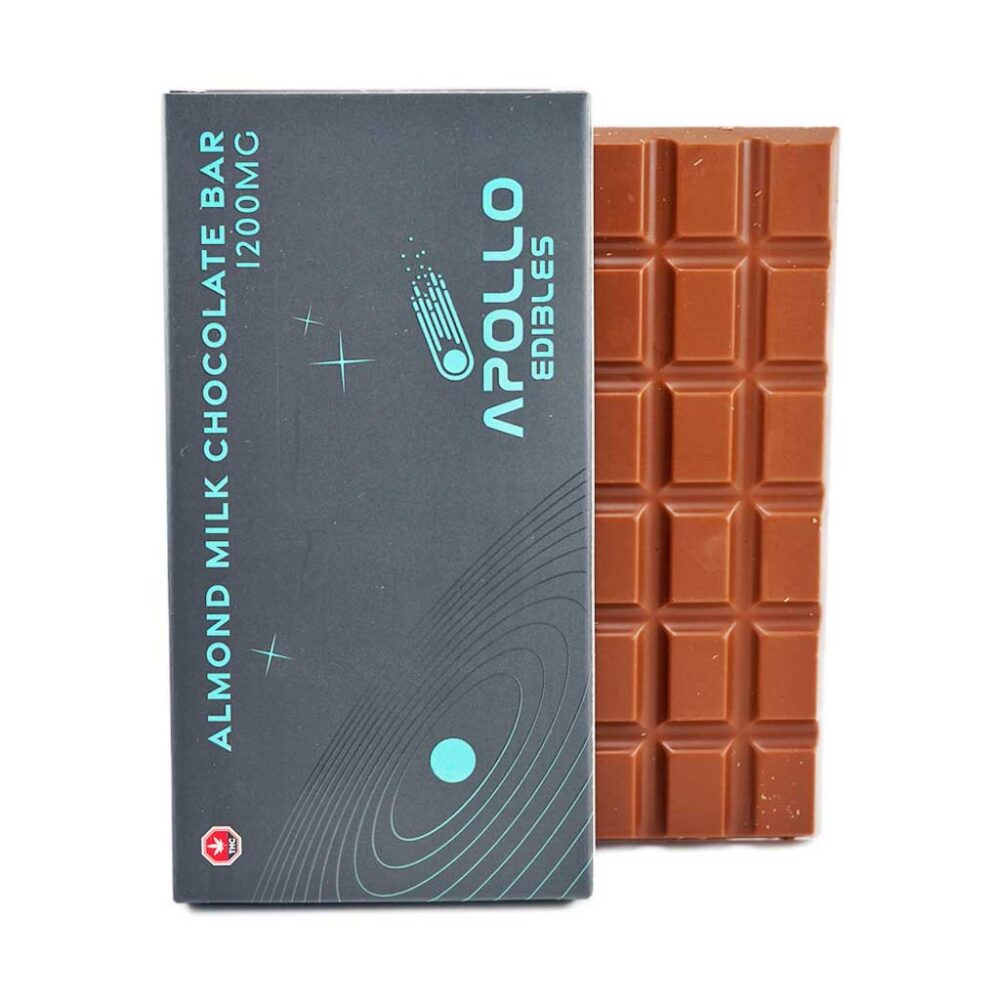
There is also a growing market for artisanal chocolates and gourmet chocolate bars that rival what you would find in a high-end confectionery shop. These products often come in edibles packaging that looks more like a gift box than a medicine container. The attention to detail extends to the chocolate itself, single-origin cacao, precise tempering, and inclusions like sea salt, dried fruit, or toasted nuts.
How Dosing Works: Microdosing vs. Full Serving
One of the most important aspects of using any cannabis-infused edible is understanding how much to take. The effects of an edible can last anywhere from four to eight hours, so starting low and going slow is a rule that has saved many people from an uncomfortable afternoon. Microdosing, taking a very small amount, usually between 2.5 and 5 milligrams of THC, has become popular for those who want subtle effects without impairment. A single bar might be cut into ten or more pieces, each piece representing a microdose.
For those seeking a more pronounced experience, a full serving typically falls between 10 and 20 milligrams of THC. Many dispensary-quality products include a dosing guide printed on the wrapper or available on the brand's site. Kush Station, for example, provides detailed information on usage and effects for every item on their edibles menu, so you know exactly what you are getting before you buy.
It is worth noting that edibles affect everyone differently. Body weight, metabolism, and whether you have eaten recently all play a role. A THC chocolate bar that works perfectly for a friend might be too strong or too mild for you. The best approach is to start with a quarter of the recommended serving, wait at least ninety minutes, and then decide if you want more. Unlike smoking, which hits within minutes, edibles take time to kick in.
Beyond THC: The Role of CBD and Other Cannabinoids
While THC is the compound most people associate with cannabis, CBD has carved out its own significant place in the market. CBD chocolate contains little to no THC, meaning it will not get you high. Instead, users report feelings of calm, reduced anxiety, and relief from minor aches. For someone who wants the ritual of eating a chocolate bar without the psychoactive effects, CBD-infused chocolate is an excellent choice.
Some products combine both cannabinoids, along with other compounds like CBN or CBG, to create a more balanced effect. The presence of terpenes, aromatic compounds found in cannabis and many other plants, also influences the experience. For instance, myrcene is known for its sedative qualities, while limonene can add an uplifting, citrusy note. When you see terms like "full-spectrum" or "entourage effect" on packaging, it usually means the product contains a range of these compounds rather than just isolated THC or CBD.
Quality Indicators: What to Look For
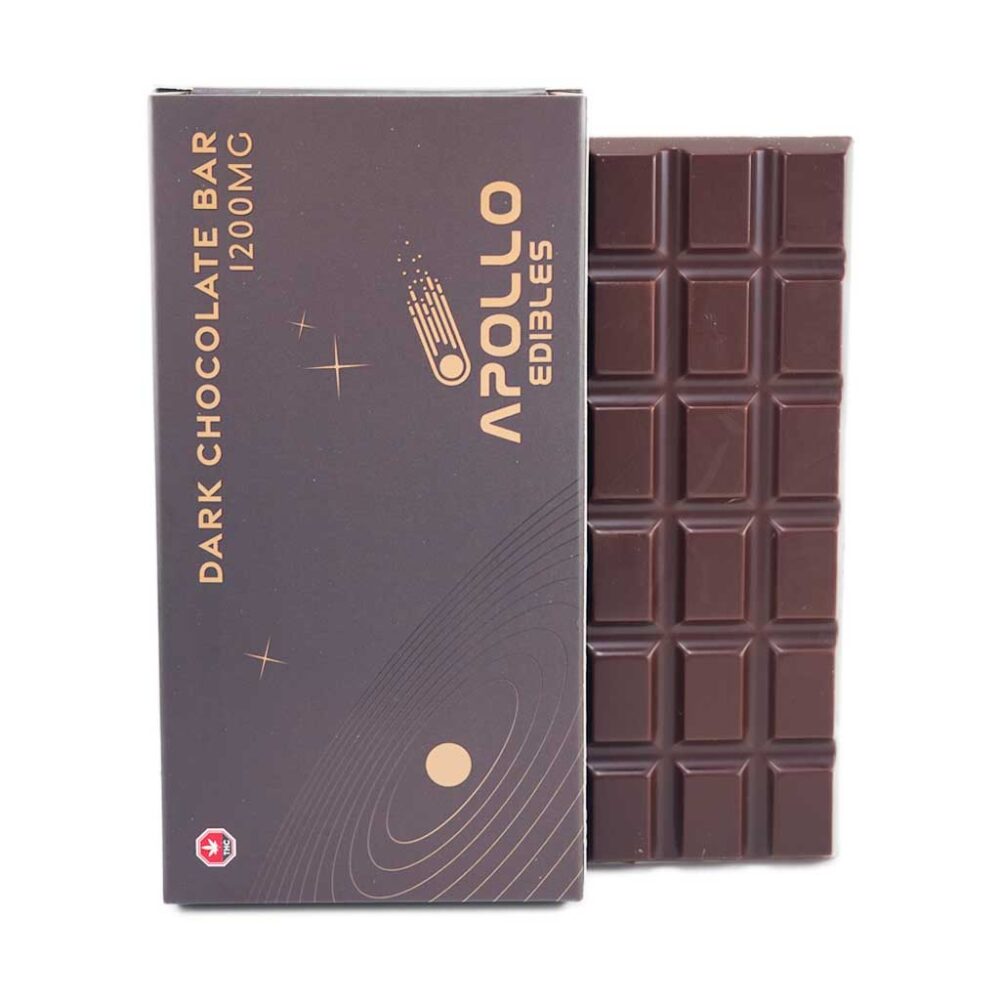
Not all edible chocolate bars are created equal. The market has grown quickly, and quality varies widely. Here are a few things to keep in mind when choosing a product:
- Source of ingredients: Bars made with organic cacao and natural sweeteners tend to taste better and feel cleaner on the palate. Check whether the chocolate is single-origin or blended.
- Lab testing: Reputable brands test their products for potency and contaminants. Look for a certificate of analysis or a QR code on the edibles packaging that links to test results.
- Type of cannabis extract: Some bars use CO2-extracted oil, others use ethanol-based tinctures, and a few still use lower-quality trim runs. The extraction method affects both flavor and consistency.
- Dosage transparency: A good dosing guide should tell you exactly how many milligrams of THC or CBD are in each square. Avoid products that only list total cannabinoids for the whole bar without breaking it down.
Many people also look for chocolate truffles or bonbons as an alternative to bars, especially when gifting or sharing. These smaller, individually wrapped pieces make portion control easier and often feature more elaborate flavor combinations.
Storage and Freshness
Infused chocolate has a shelf life, just like any other chocolate. Heat, light, and air can degrade both the cocoa and the cannabinoids over time. Keep your bars in a cool, dark place, a pantry or cupboard works well. Avoid storing them in the refrigerator, as condensation can cause bloom (those white streaks on the surface) and affect texture. Most cannabis-infused edibles stay fresh for six months to a year if stored properly, though the potency may gradually decline.
If you buy a bar and do not plan to finish it quickly, consider wrapping it tightly in foil or storing it in an airtight container. This is especially important for vegan chocolate bars, which may have a different fat composition than dairy-based chocolate and can be more sensitive to temperature swings.
The Social Side of Edible Chocolate
One of the less discussed aspects of edible chocolate bars is how they change social dynamics around cannabis. Instead of passing a joint or a vape, people can break off a square of chocolate and enjoy it at their own pace. There is no smoke, no lingering odor, and no need to step outside. This makes them a popular choice at dinner parties, outdoor gatherings, or even solo evenings at home.
I have seen friends who never smoked cannabis become regular users of edibles simply because the format felt more approachable. Eating a piece of chocolate is a familiar, comforting act. When that chocolate also contains a carefully measured amount of cannabis, the experience becomes both novel and reassuring. The ritual of unwrapping the bar, reading the dosing guide, and deciding how much to take can be as satisfying as the effect itself.
Final Thoughts on Choosing Your Bar
The world of cannabis-infused chocolate is broader than most people realize. Whether you prefer the bold bitterness of dark chocolate, the creamy sweetness of milk chocolate, or the subtle neutrality of white chocolate, there is likely a product that fits your taste. For those who want the psychoactive experience, THC chocolate offers a reliable and enjoyable path. For those who want relaxation without intoxication, CBD chocolate is an excellent option. And for anyone who values craftsmanship, artisanal chocolates and gourmet chocolate bars prove that cannabis and fine chocolate can coexist beautifully.
As you explore the edibles menu at a shop like Kush Station, take your time reading the descriptions. Look at the type of chocolate, the cannabinoid profile, and the suggested serving size. A little bit of research goes a long way toward ensuring that your first, or hundredth, experience with edible chocolate bars is a good one.